Travertine: Timeless Elegance for Your Home and Landscape
Introduction
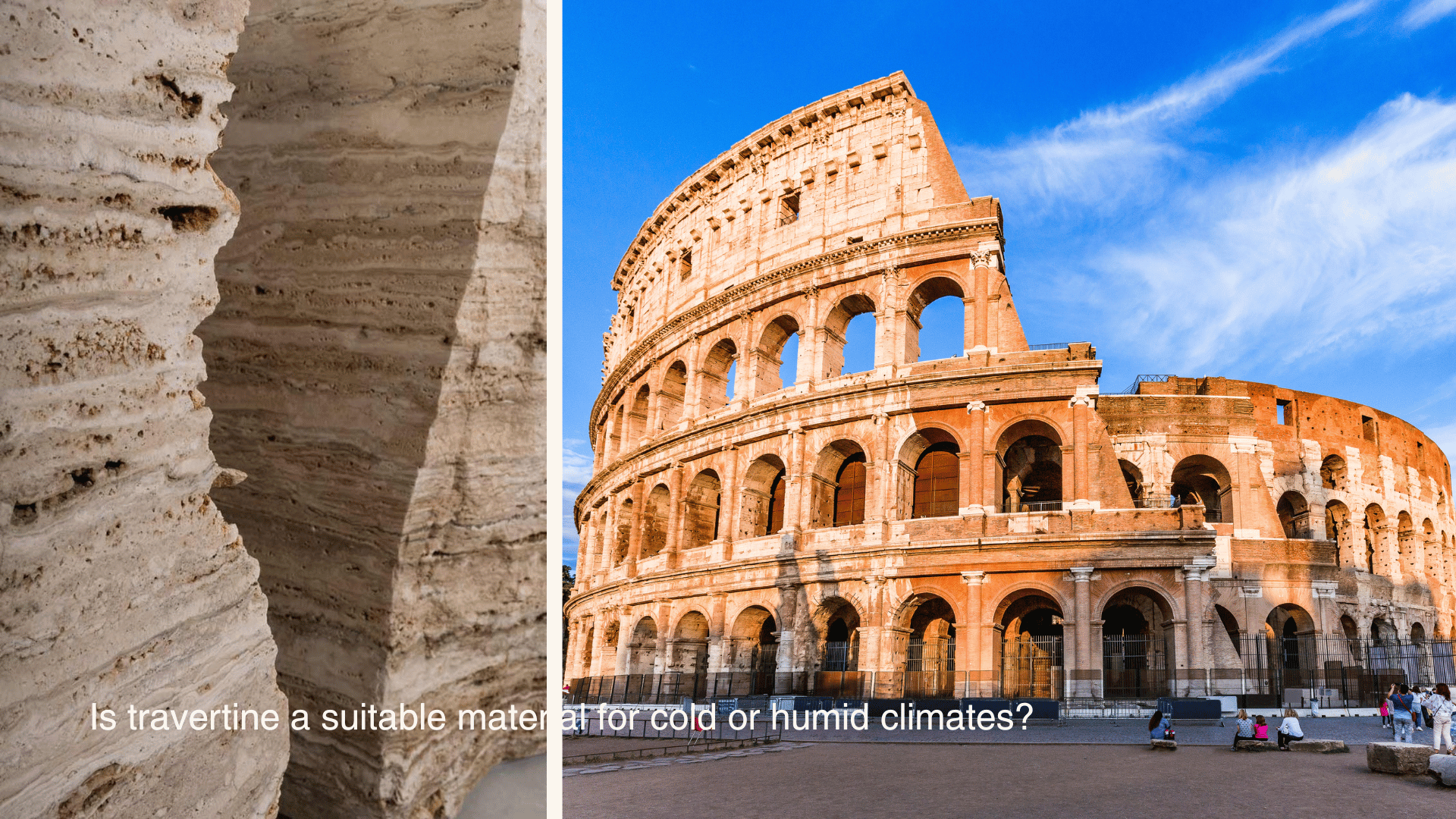
Travertine is a natural stone that has been used for centuries, adorning historic buildings, monuments, and even modern homes. Its warm, earthy tones and unique texture make it a popular choice for homeowners, builders, and architects alike. In this blog, we will explore the benefits, applications, and maintenance of travertine, helping you decide if this timeless stone is the right fit for your next project.
What Is Travertine?
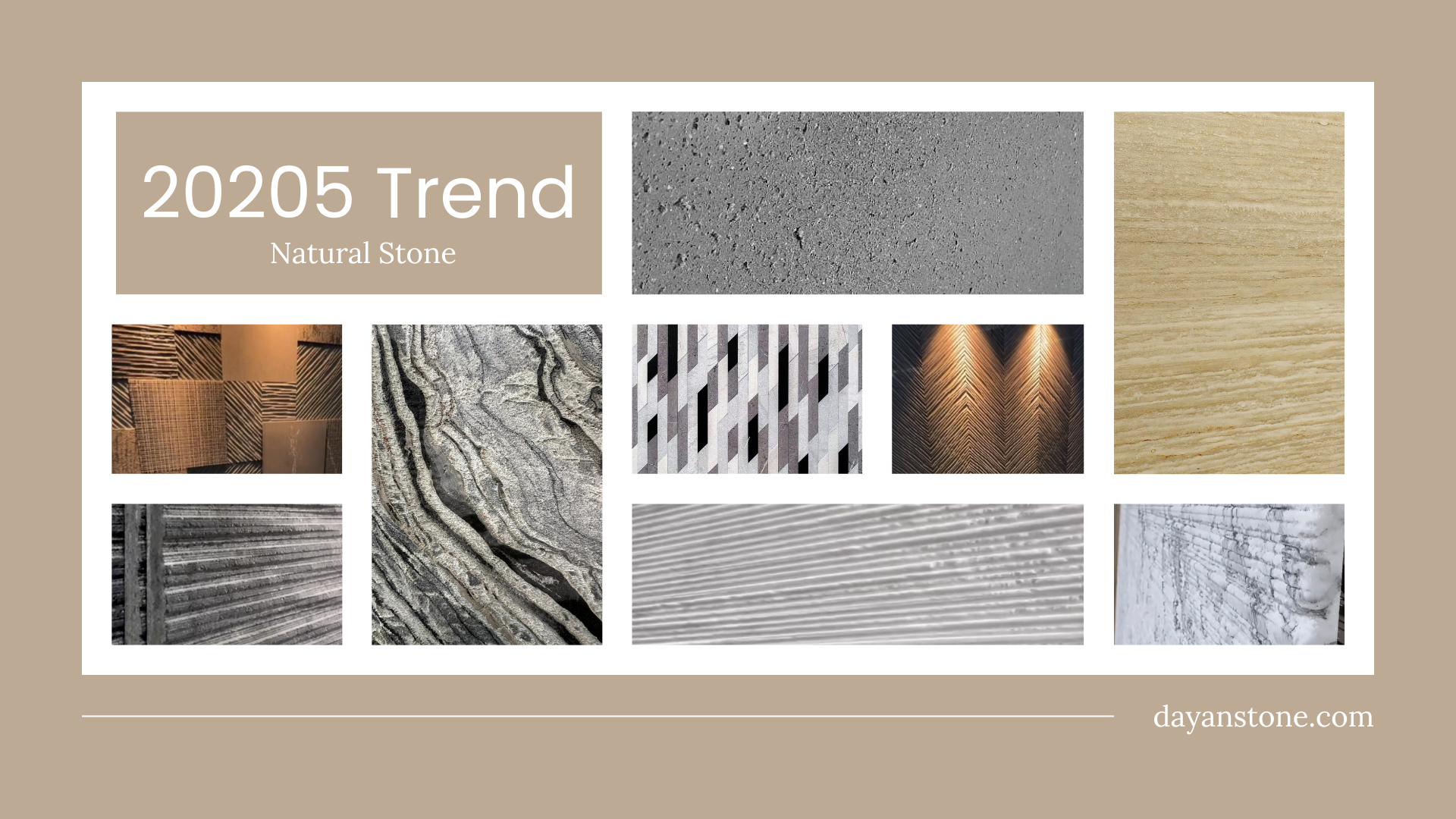
Travertine is a type of limestone formed by mineral deposits from natural springs. Its distinct look, with soft swirls and porous surfaces, is the result of its unique formation process. This stone comes in a variety of colors, ranging from creamy beige, white, red, to silver, and can be found in both honed and polished finishes, offering versatility for different design styles.
Key Benefits of Travertine
1. **Durability**
Travertine is incredibly durable, making it ideal for high-traffic areas like kitchens, bathrooms, and outdoor spaces. When properly sealed, it can withstand heavy use while maintaining its beauty over time.
2. **Natural Aesthetic**
Travertine’s natural beauty adds warmth and elegance to any space. Its subtle patterns and earthy tones complement various design styles, from rustic to contemporary.
3. **Slip-Resistant Surface**
One of travertine’s biggest advantages is its naturally textured surface, which provides excellent slip resistance, making it a safe choice for pool decks, patios, and walkways.
4. **Environmentally Friendly**
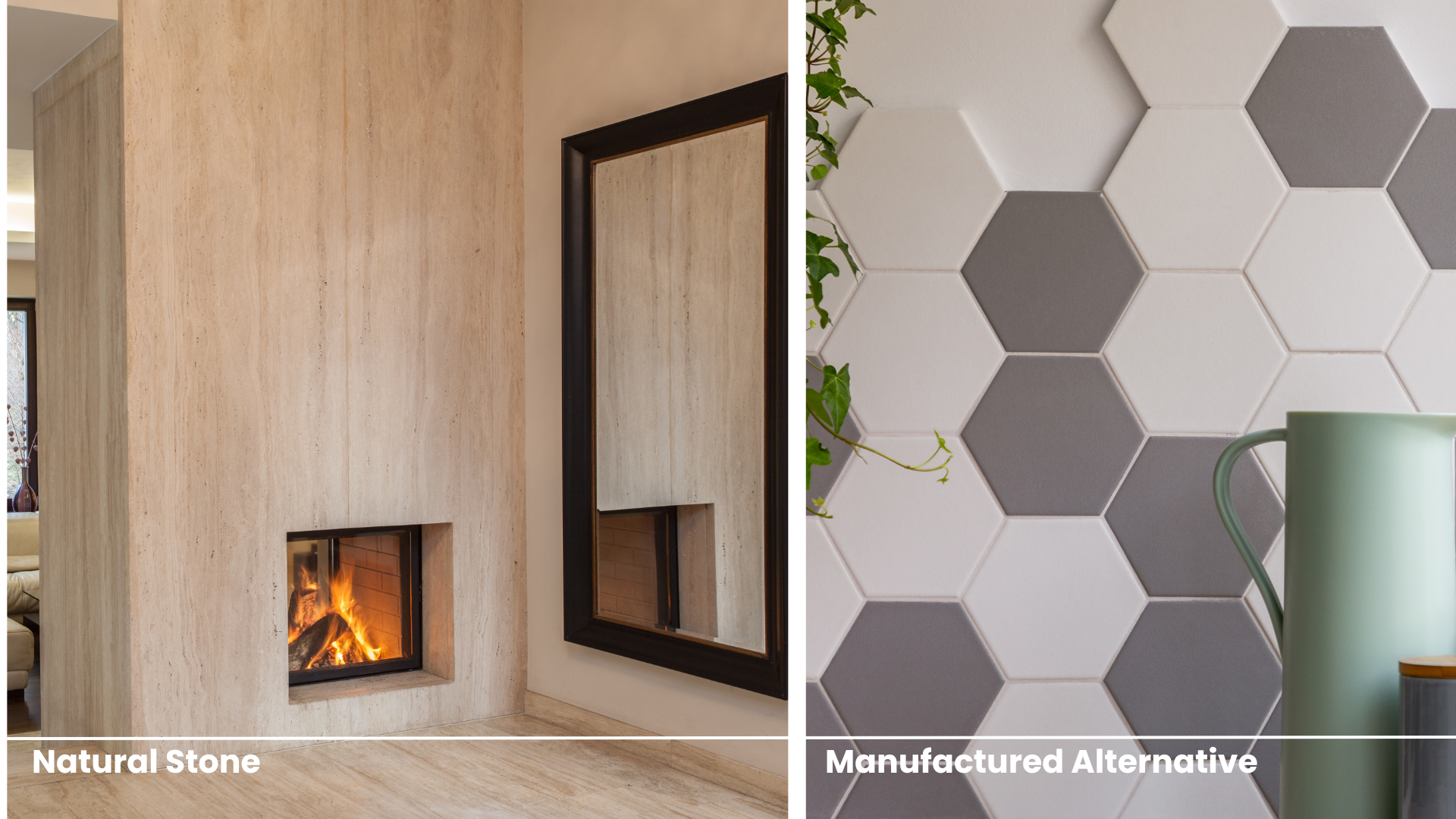
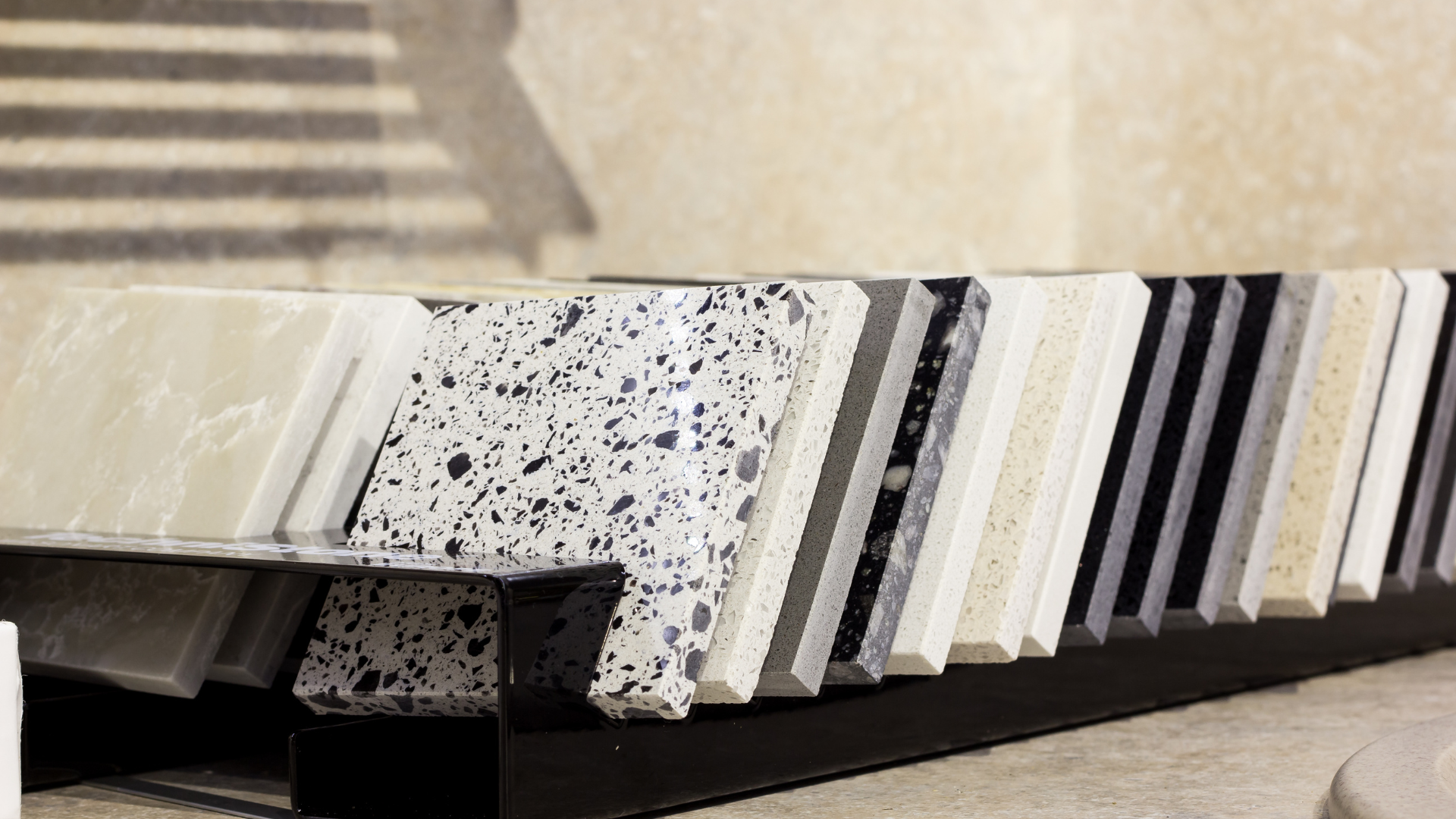
As a natural stone, travertine is an eco-friendly building material. Its production has a lower carbon footprint compared to manufactured materials, and it’s a sustainable choice for environmentally conscious homeowners.
Popular Applications of Travertine
Travertine’s versatility makes it suitable for both indoor and outdoor projects. Here are some of the most popular ways travertine is used:
– **Flooring:** Travertine floors are a luxurious option for living rooms, hallways, and bathrooms. Its neutral tones and durable surface make it a great choice for high-traffic areas.
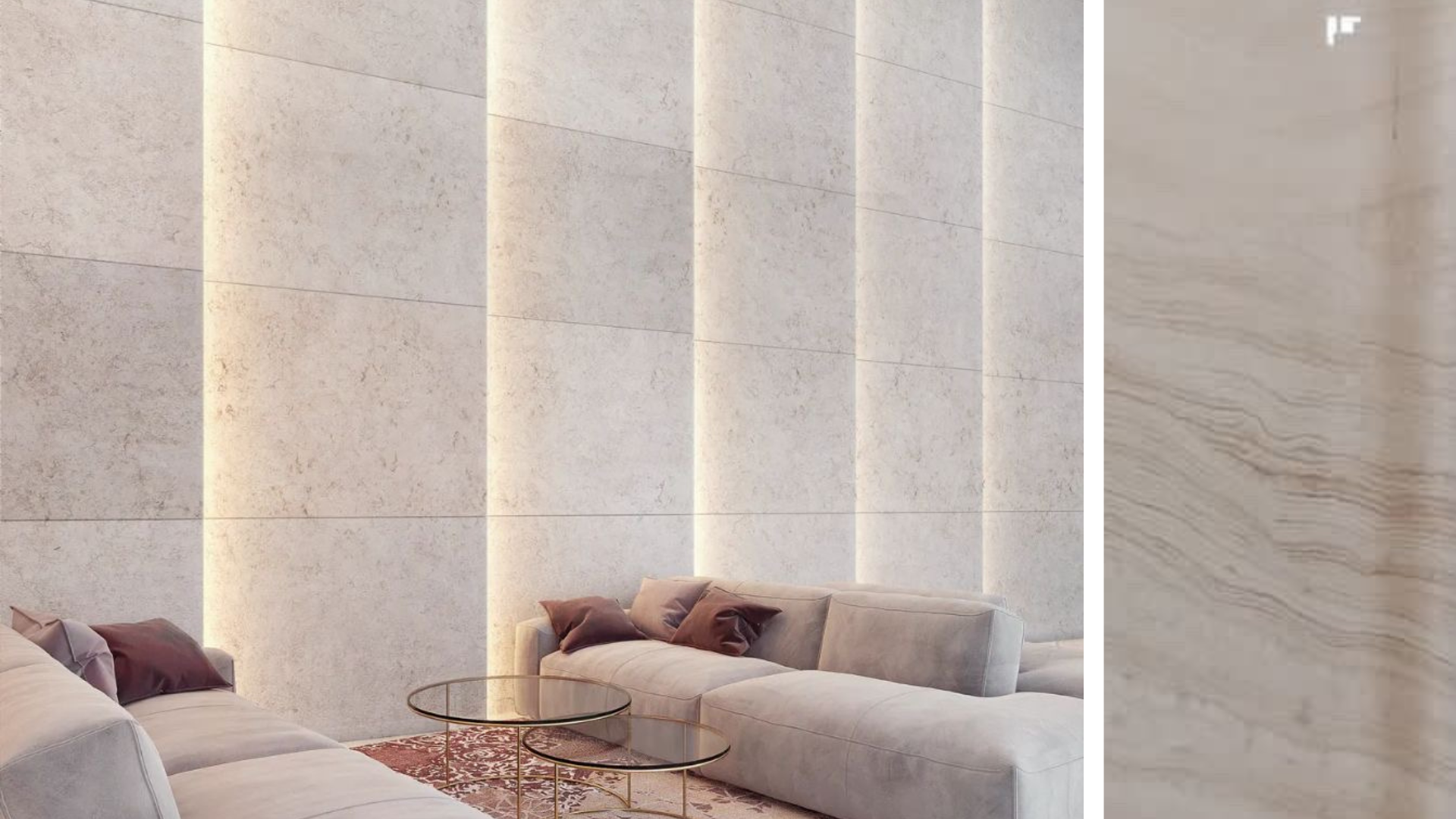
– **Wall Cladding:** Interior accent walls or exterior facades with travertine create a stunning, sophisticated look.
– **Countertops:** While travertine is more porous than granite or quartz, it can still be used as a countertop material when properly sealed.
– **Outdoor Patios and Pool Decks:** Thanks to its natural texture and slip-resistant properties, travertine is a top choice for outdoor areas like patios and pool decks.
– **Driveways and Walkways:** Travertine pavers add a touch of elegance and durability to driveways and garden pathways.
How to Care for Travertine?
Travertine is relatively low maintenance, but to keep it looking its best, here are a few care tips:
– **Seal the Stone:** Since travertine is porous, sealing it will protect it from stains and moisture damage. It’s recommended to reseal travertine every 1-2 years, depending on usage.
– **Clean Regularly:** Use a pH-neutral cleaner to maintain the stone’s finish. Avoid acidic cleaners like vinegar or lemon, as they can erode the surface.
– **Wipe Spills Quickly:** Like any natural stone, travertine can stain if spills are not cleaned promptly.
Why Choose Travertine for Your Next Project?
If you’re looking for a natural stone that offers both beauty and durability, travertine is an excellent choice. Its timeless appeal and wide range of applications make it a favorite for both residential and commercial projects. Whether you’re remodeling your home or designing a new outdoor space, travertine can add a touch of elegance that lasts for generations.