Comparing Natural Stone and Manufactured Alternatives: Which is Right for Your Project?
When planning a construction or design project, one of the key decisions is choosing the right material. Natural stone and manufactured alternatives are two popular options, each with its own set of advantages and drawbacks. Understanding the differences between them can help you make the best choice for your needs. In this blog post, we’ll explore both materials in detail, comparing their aesthetics, durability, cost, sustainability, and maintenance requirements.
1. Aesthetics: The Beauty of Authenticity vs. Versatility
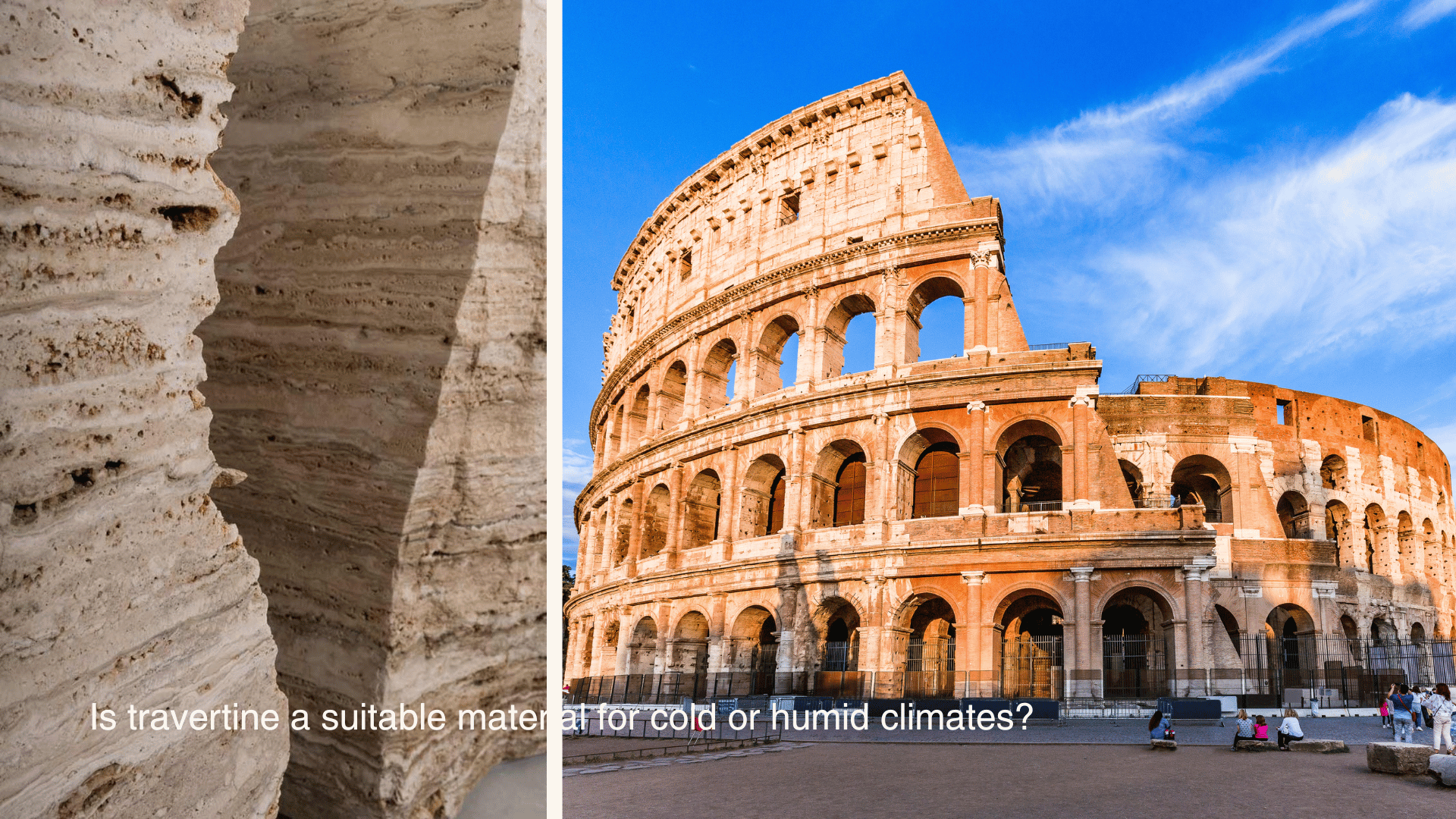
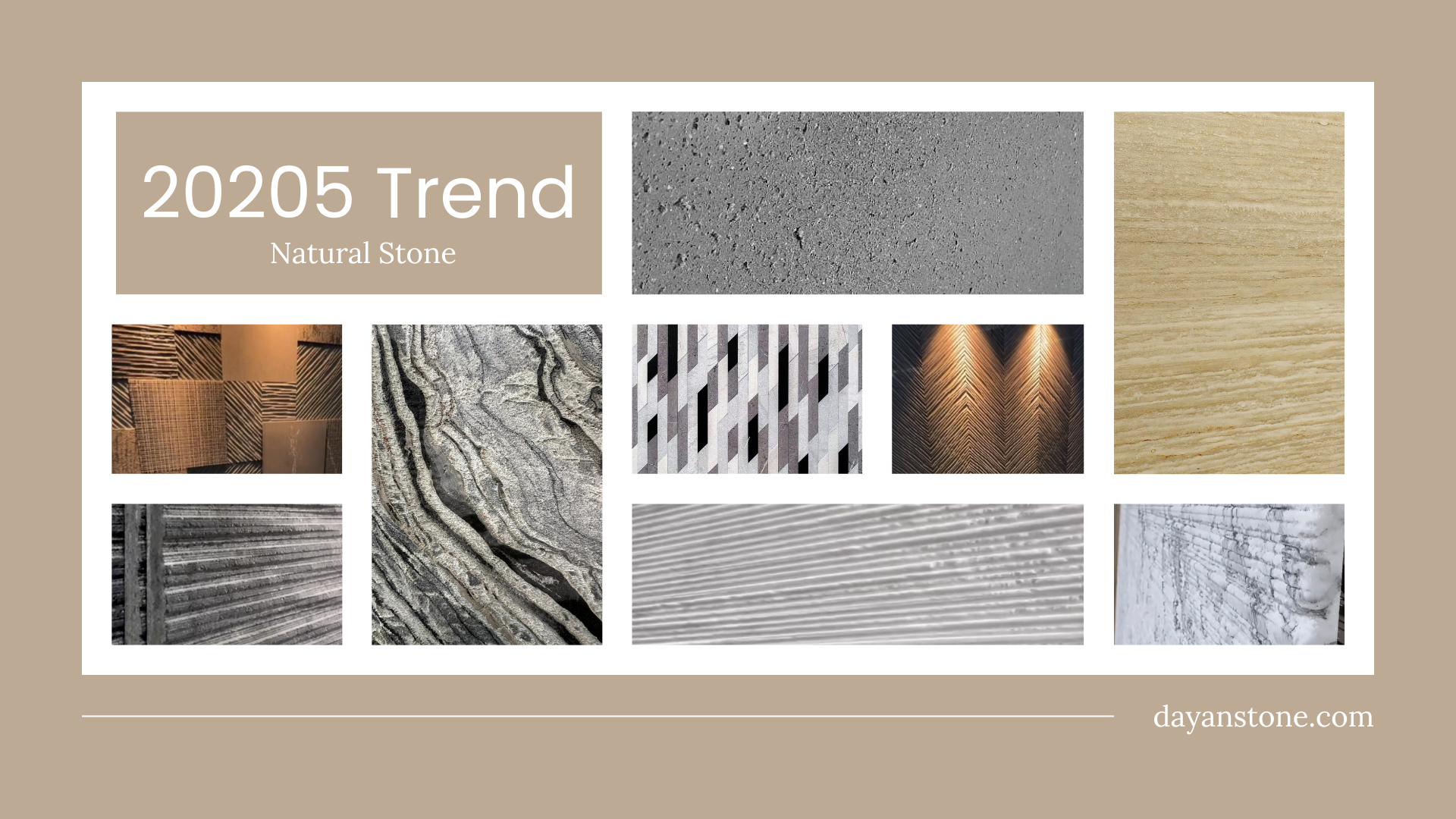
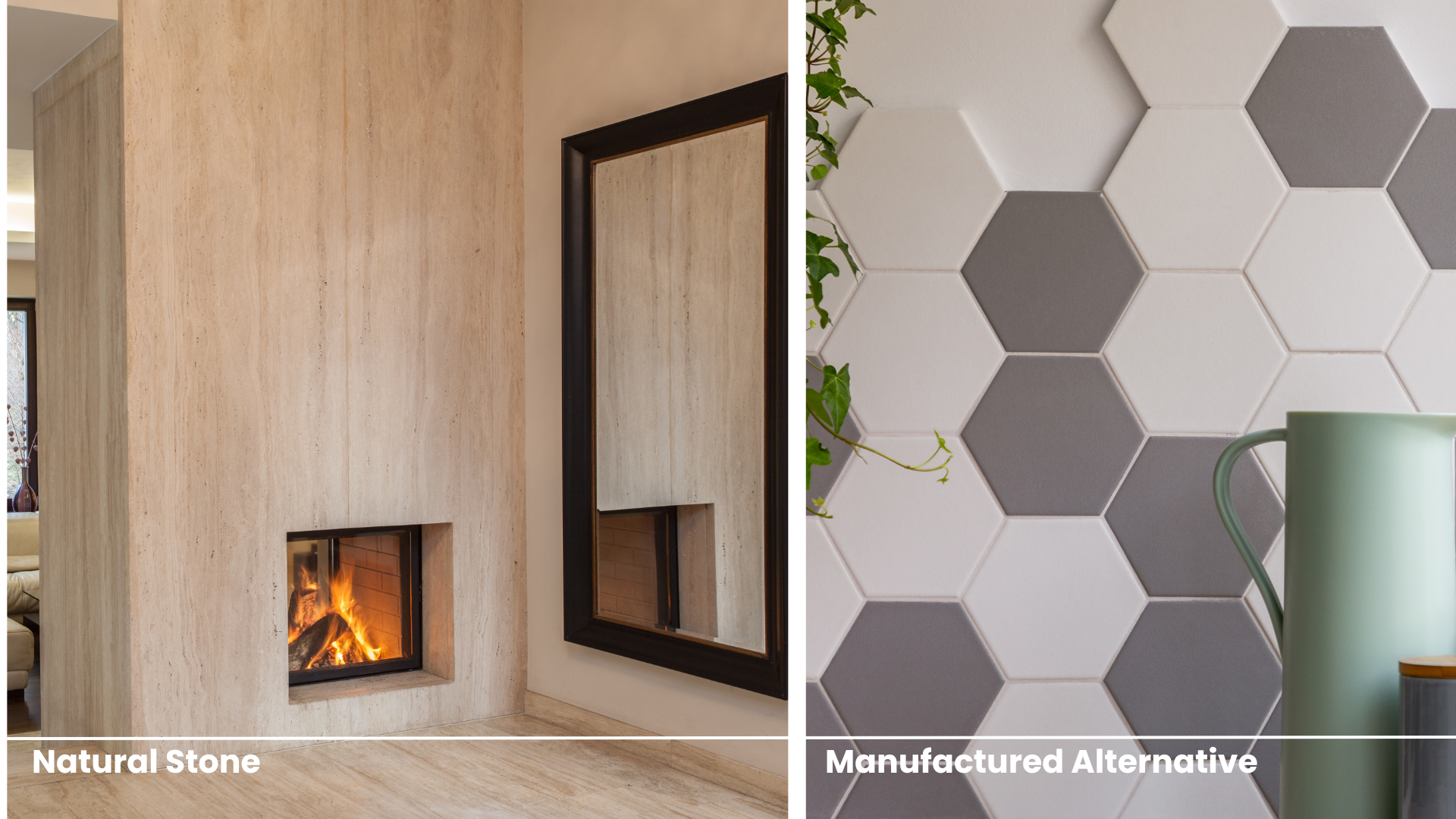
**Natural Stone**: One of the most appealing qualities of natural stone is its unique and authentic appearance. No two slabs of natural stone are the same, offering a variety of colors, textures, and veining patterns that are inherently distinctive. Whether it’s granite, marble, travertine, or basalt, natural stones bring a timeless, organic beauty to any space.
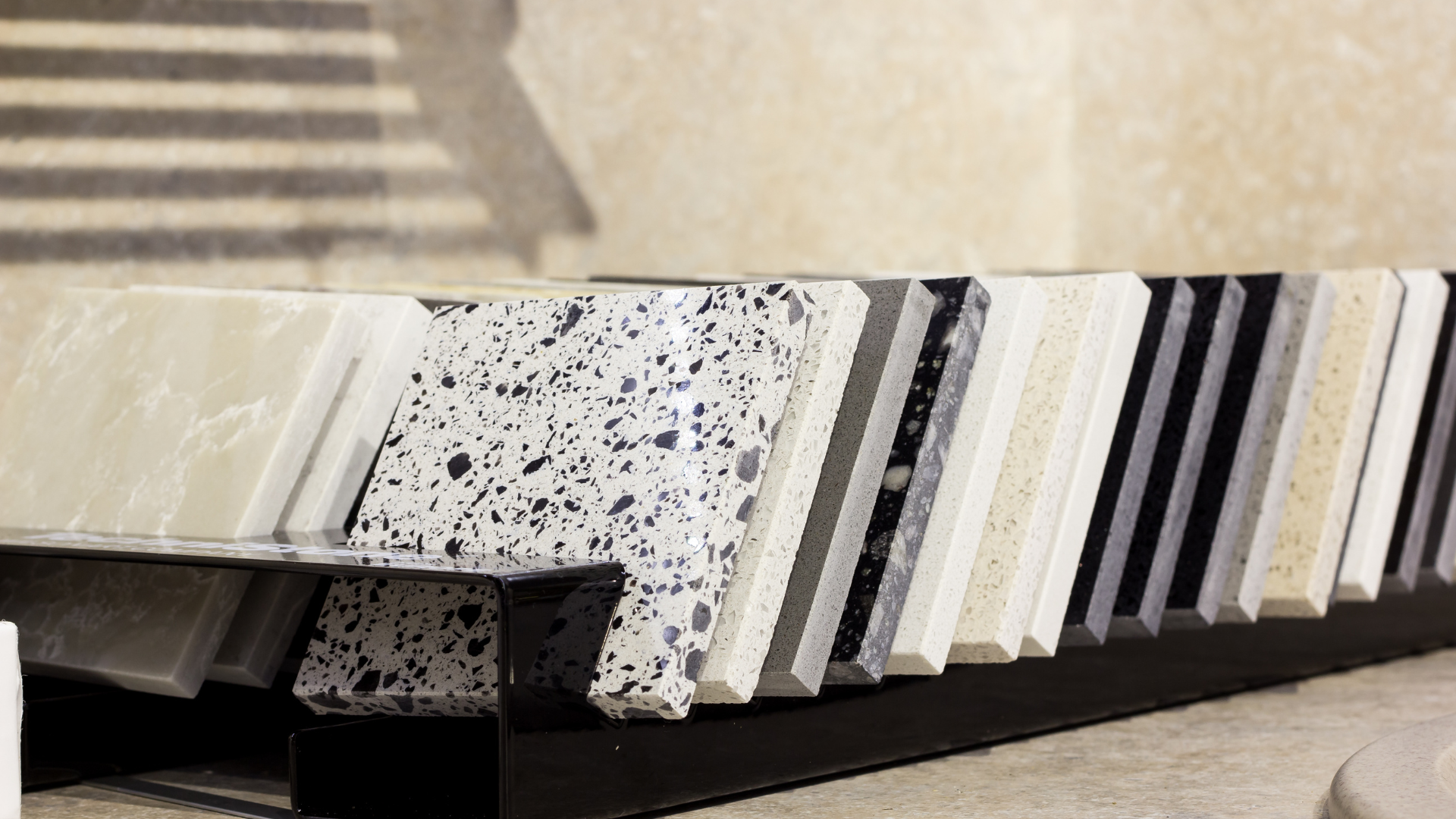
**Manufactured Alternatives**: Manufactured stone (such as engineered stone, concrete, or porcelain tiles) offers more uniformity in appearance. These materials are designed to mimic the look of natural stone while offering a broader range of colors and finishes. However, they lack the one-of-a-kind beauty that only nature can create.
2. Durability and Longevity
**Natural Stone**: Known for its toughness and long lifespan, natural stone can withstand a variety of environmental conditions. Granite, for example, is highly resistant to scratching and heat, making it ideal for kitchen countertops. Basalt and limestone can endure harsh outdoor conditions. With proper care, natural stone can last for decades, if not centuries.
**Manufactured Alternatives**: Engineered stones, such as quartz or concrete, are designed to be highly durable as well. They can often resist stains and scratches better than some softer natural stones, like marble. However, they may not have the same longevity or weather resistance as natural stones in certain applications, especially outdoors.
3. Cost Considerations
**Natural Stone**: Generally, natural stone tends to be more expensive due to the quarrying, transportation, and preparation processes involved. Rare stones or those with unique patterns can be significantly more expensive. However, the investment in natural stone often adds value to properties due to its premium, luxurious appeal.
– **Manufactured Alternatives**: Manufactured stones are typically less expensive, thanks to more efficient production processes. They are a budget-friendly alternative for those who want the stone-like look without the premium price tag. However, the initial savings may be offset over time if the material does not age as well as natural stone.
4. Sustainability and Environmental Impact
**Natural Stone**: As a naturally occurring material, natural stone is eco-friendly when responsibly sourced. Its longevity means that it often doesn’t need to be replaced as frequently as manufactured materials. Moreover, some stones can be recycled for new projects. On the downside, the environmental impact of quarrying and transportation can be significant, depending on where the stone is sourced.
– **Manufactured Alternatives**: Some manufactured stones are made from recycled materials, which can reduce their environmental impact. However, the production process often involves the use of chemicals and high-energy manufacturing techniques, which can be less sustainable than using natural stone. The long-term environmental impact of disposal should also be considered, as manufactured materials may not be as biodegradable as natural stone.
5. Maintenance: Effort vs. Ease
Natural Stone**: Maintenance requirements vary depending on the type of stone. For instance, granite and basalt are relatively low-maintenance, while marble and travertine are more porous and may require regular sealing to prevent staining. With the right care, natural stone surfaces can remain beautiful for years, but they demand more attention than manufactured materials.
– **Manufactured Alternatives**: Manufactured stone is generally designed to be low-maintenance. Many options, such as engineered quartz, are non-porous and resistant to staining, scratching, and bacterial growth. This makes them an excellent choice for busy homeowners or commercial spaces where ease of care is a priority.
6. Conclusion: Which Should You Choose?
The choice between natural stone and manufactured alternatives ultimately depends on your project’s needs, budget, and personal preference.
– If you value unique, timeless beauty and are willing to invest in a material that will last for generations, **natural stone** may be the best choice.
– If you’re looking for a more affordable, low-maintenance option that still mimics the look of natural stone, **manufactured alternatives** might be the way to go.
Each material has its strengths, and understanding them will ensure that you choose the best option for your design or construction project.