The Environmental Benefits of Using Natural Stone: A Sustainable Choice
In a world where sustainability is becoming increasingly important, choosing materials that have a low impact on the environment is crucial. One such material is natural stone. Not only is it visually stunning and durable, but it also offers significant environmental benefits, making it an eco-friendly choice for construction and design projects. Here, we explore the sustainability aspects and environmental advantages of using natural stone.
1. Natural Stone is a Renewable Resource
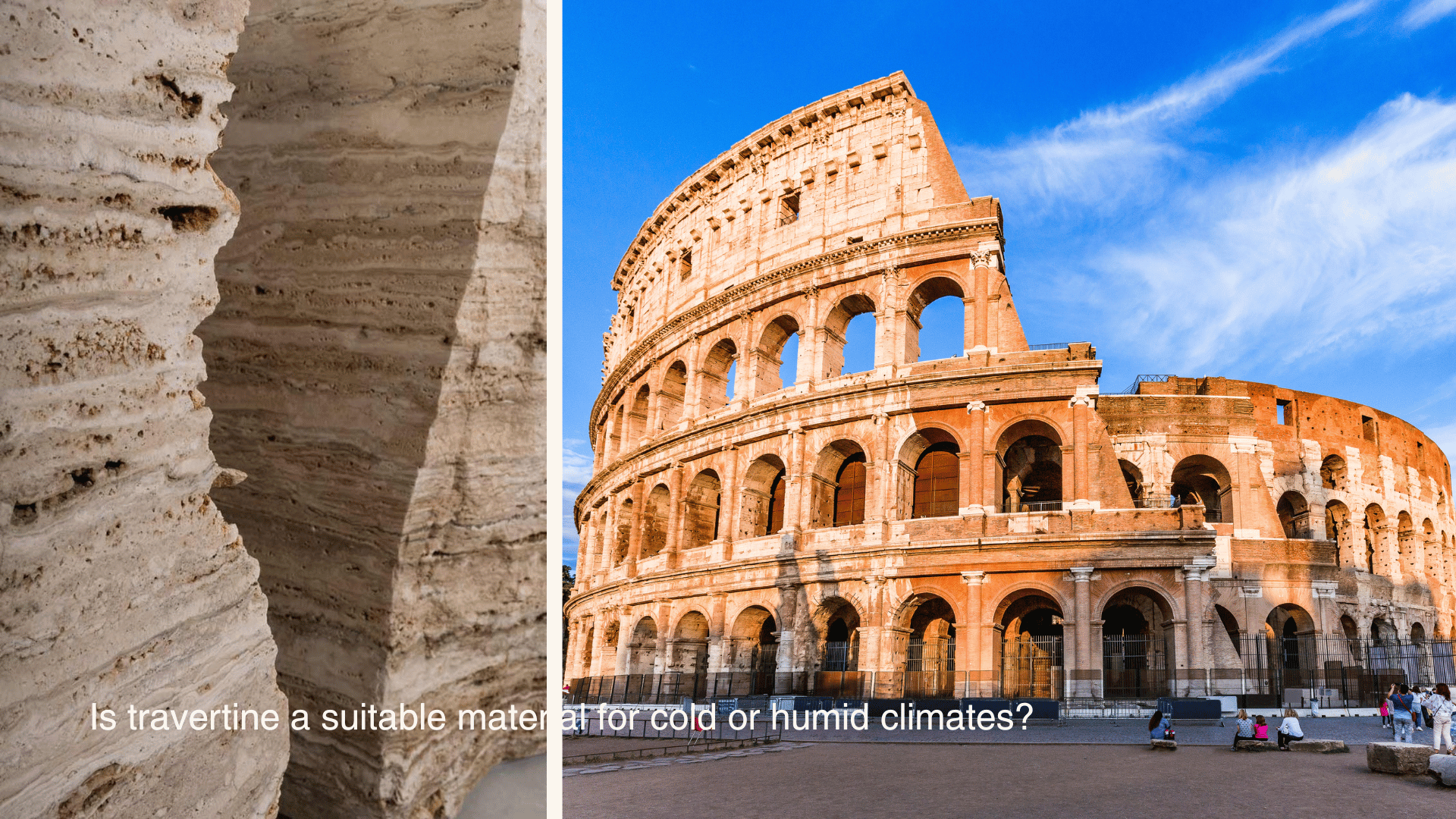
Natural stone is a product of the Earth. Formed over millions of years, materials such as granite, marble, travertine, and limestone are continuously being created by geological processes. Unlike synthetic materials, which require extensive manufacturing and chemical processes, natural stone is quarried with minimal intervention, making it a renewable resource with a low environmental footprint.
2. Low Carbon Footprint
The production process of natural stone involves quarrying and cutting, which generally uses less energy compared to manufacturing concrete or synthetic building materials. Modern quarries follow strict regulations that minimize waste, and technological advances in quarrying have further reduced energy consumption. By choosing locally sourced natural stone, transportation emissions are also minimized, further lowering the carbon footprint.
3. Durability Means Less Waste
Natural stone is incredibly durable and can last for centuries if properly maintained. This longevity reduces the need for frequent replacement, which is common with synthetic materials. Fewer replacements mean less waste in landfills, making natural stone a sustainable long-term investment.
4. Recyclable and Reusable
Natural stone is highly recyclable. Leftover materials from construction can be repurposed for other projects, such as landscaping, creating aggregates, or even smaller decorative items. Old stone structures can also be dismantled, and the materials reused in new buildings. This recyclability reduces the demand for new materials and cuts down on waste.
5. Natural Stone is Non-Toxic
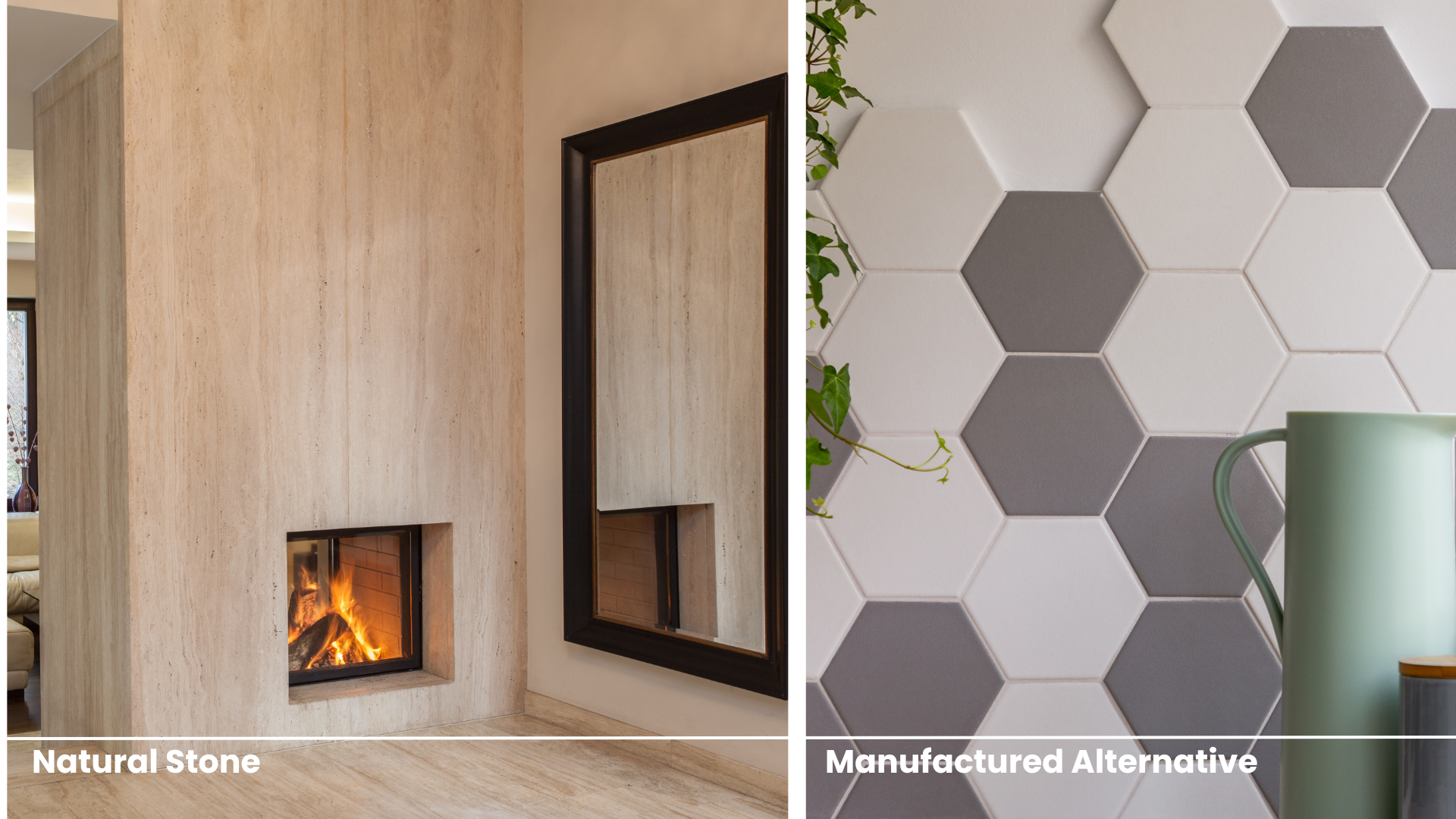
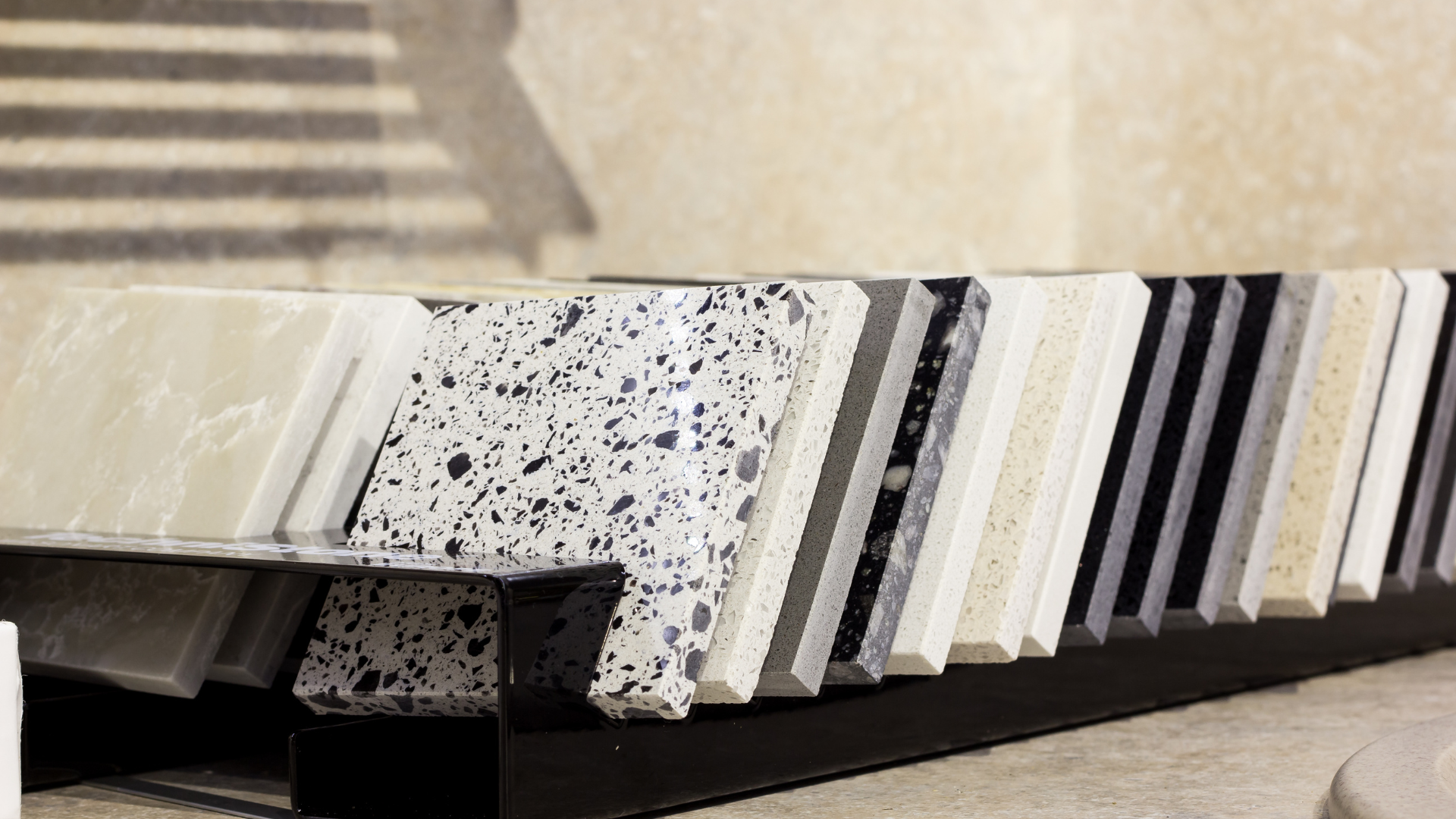
Unlike synthetic materials, which often contain harmful chemicals or volatile organic compounds (VOCs), natural stone is free from toxins. It does not emit any harmful substances into the air, contributing to healthier indoor and outdoor environments. This makes it an ideal choice for sustainable buildings and homes.
6. Energy Efficiency
Certain types of natural stone, such as granite and limestone, have excellent thermal properties. They can absorb, store, and radiate heat, which can help regulate temperatures in a building. In hot climates, natural stone can keep interiors cooler, reducing the need for air conditioning and lowering energy consumption. In colder climates, stone walls can retain heat, improving energy efficiency.
7. Sustainable Quarrying Practices
Quarrying methods have become significantly more sustainable over the years. Responsible stone producers follow strict environmental regulations that prioritize land restoration, habitat preservation, and waste minimization. Once a quarry has reached the end of its life, the land can be rehabilitated to its natural state or repurposed for other sustainable uses.
8. Natural Aesthetics, Less Environmental Impact
Using natural stone in design projects brings a unique, organic beauty to any space. Since it is sourced directly from nature, it requires minimal processing. This reduces the energy and resources needed to transform raw materials into finished products, making it one of the most eco-friendly building materials available.
Conclusion
When it comes to sustainability, natural stone is an excellent choice. Its durability, recyclability, and minimal environmental impact make it a smart option for eco-conscious homeowners, architects, and designers. By choosing natural stone, you are not only investing in a beautiful, timeless material but also contributing to a more sustainable future.
If you’re looking to incorporate eco-friendly, durable, and beautiful natural stone into your next project, explore our wide range of natural stone products that meet your design and sustainability needs.