Understanding the Categories of Metamorphic Stones Based on Formation
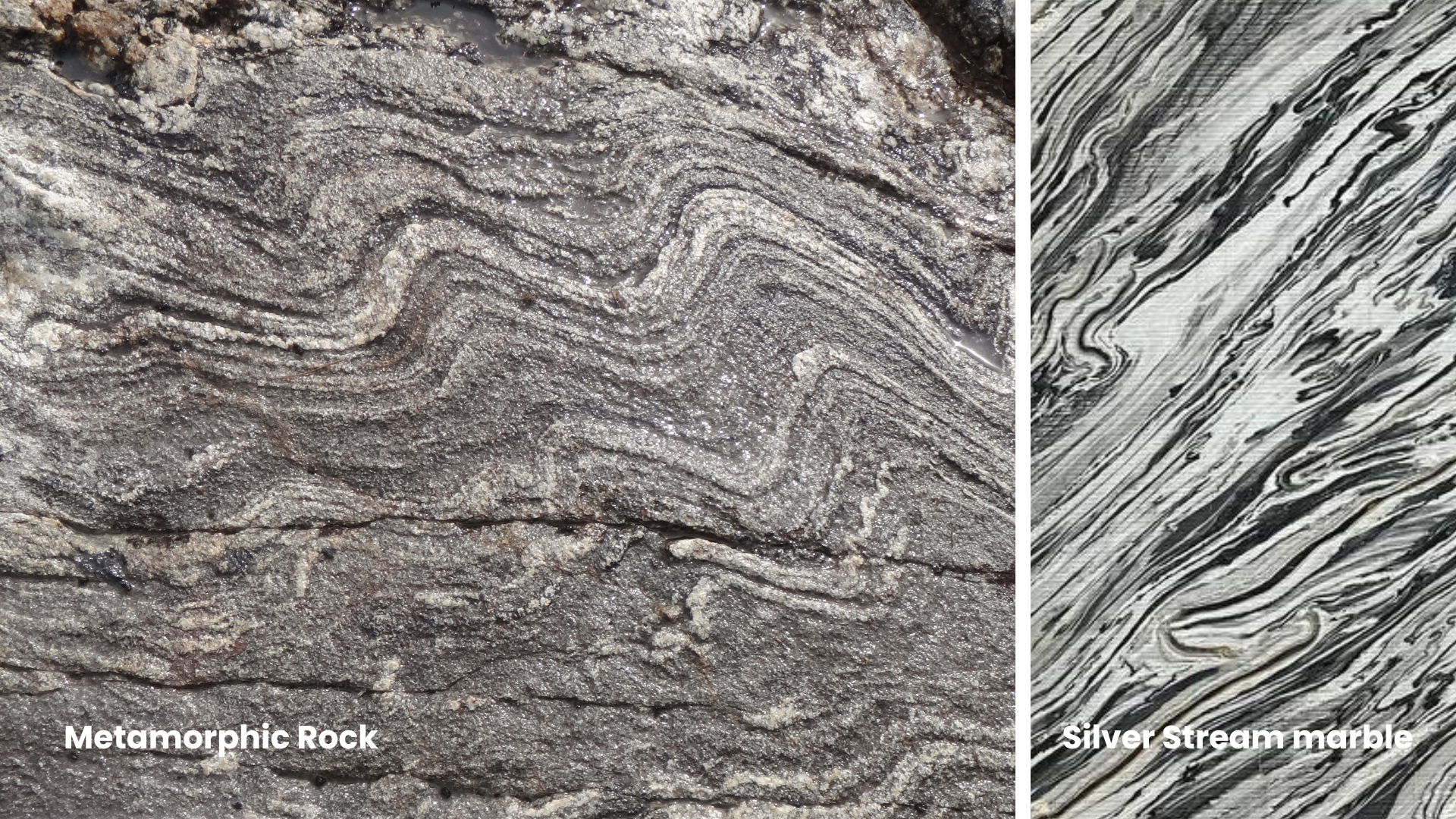
Metamorphic stones are among the most durable and visually striking materials used in construction and design. Formed deep within the Earth’s crust, these stones undergo a transformation through intense heat, pressure, and chemical processes. As a result, they acquire unique textures, colors, and characteristics, making them highly sought after in building projects. In this article, we will explore the categories of metamorphic stones based on the way they are formed.
What are metamorphic stones?
Metamorphic stones are rocks that have been transformed from their original form (whether igneous, sedimentary, or even previous metamorphic rocks) into new types of rock through metamorphism. This transformation occurs when rocks are subjected to high heat and pressure, usually deep beneath the Earth’s surface. This process can take millions of years, creating stones with exceptional hardness and durability.
Categories of Metamorphic Stones
Metamorphic stones can be categorized into two main types based on how they are formed:
1. **Foliated Metamorphic Stones**
Foliated metamorphic stones are characterized by the presence of parallel layers or bands. These stones form under high directional pressure, causing the minerals within the rock to align in a specific orientation. This alignment gives the stone a layered or banded appearance, which is a key feature of foliated metamorphic rocks.
**Examples of Foliated Stones:**
– **Slate:** Known for its fine-grained texture, slate forms from shale and is commonly used for flooring, roofing, and wall cladding.
– **Schist:** A medium- to coarse-grained rock, schist is often used for decorative elements in both interior and exterior applications.
– **Gneiss:** Featuring distinct banding patterns, gneiss is a popular choice for countertops and flooring due to its strength and unique appearance.
2. **Non-foliated Metamorphic Stones**
Unlike foliated stones, non-foliated metamorphic stones do not have a layered or banded structure. These stones form under conditions of uniform pressure or through heat without directional pressure, which means the minerals do not align in layers. Instead, they are typically composed of a single mineral type or have a more homogenous texture.
**Examples of Non-foliated Stones:**
– **Marble:** Formed from limestone, marble is prized for its beauty and is commonly used in sculpture, flooring, and countertops.
– **Quartzite:** This stone forms from sandstone and is known for its hardness and resistance to weathering, making it ideal for outdoor applications.
– **Serpentine:** Recognized for its green color, serpentine is often used in decorative stonework and building facades.
Why Choose Metamorphic Stones for Construction?
Metamorphic stones offer a variety of benefits that make them ideal for construction and design:
– **Durability:** Due to their formation process, metamorphic stones are incredibly strong and resistant to wear.
– **Aesthetic Appeal:** With their unique textures and patterns, these stones can add a touch of elegance and sophistication to any project.
– **Versatility:** Metamorphic stones come in a range of colors and finishes, making them suitable for both interior and exterior applications.
Conclusion
Conclusion
When selecting materials for your next construction or design project, consider the timeless beauty and strength of metamorphic stones. Whether you choose the layered elegance of foliated stones like slate and gneiss or the smooth appeal of non-foliated stones like marble and quartzite, these natural stones will add value and aesthetic appeal to any space.
Explore our collection of high-quality metamorphic stones at Dayan Stone and find the perfect material for your project today!