What does mean filled and unfilled travertine
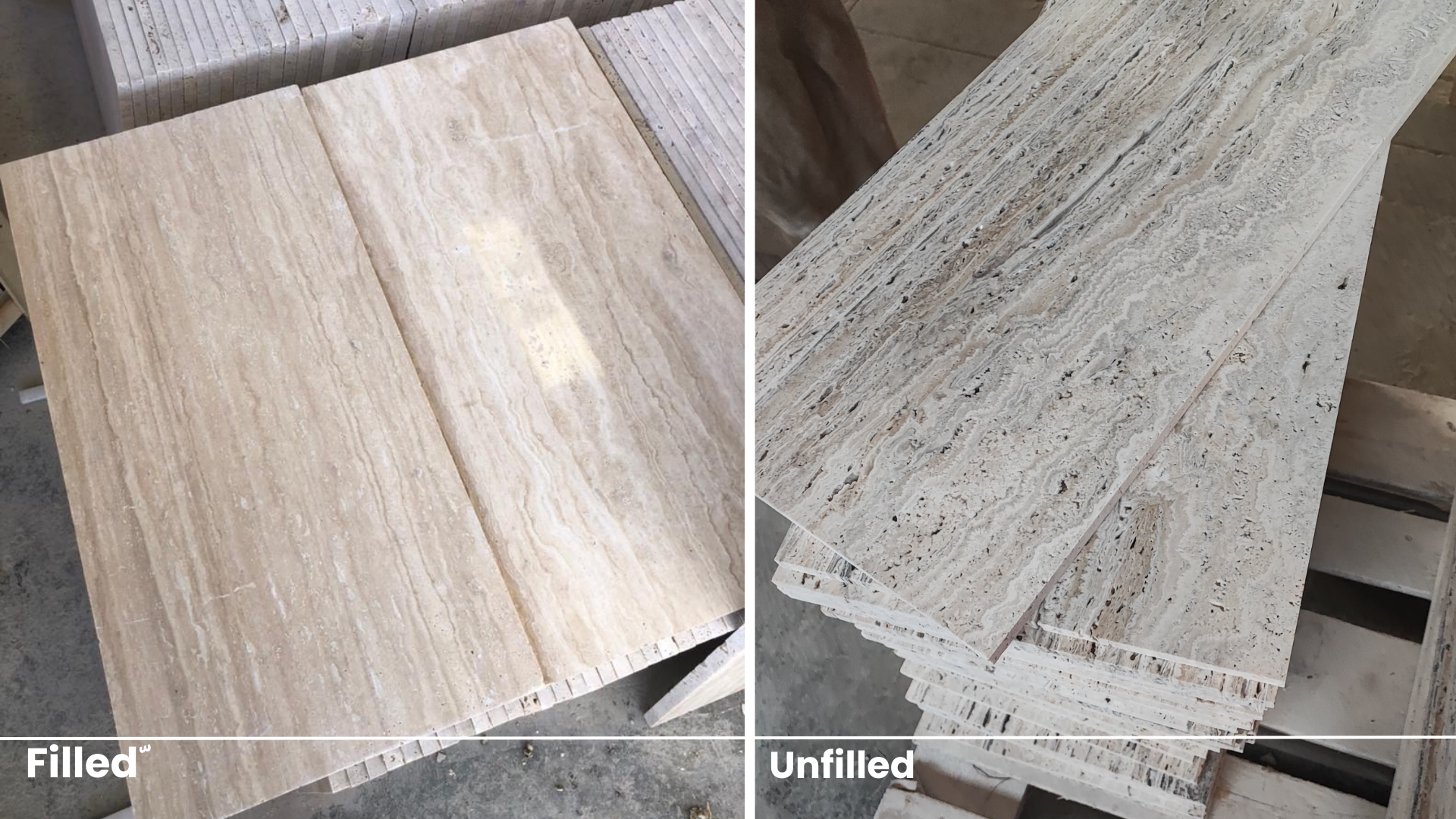
Travertine is a popular and versatile natural stone that is widely used in architectural and interior design applications. One key distinction to understand when working with travertine is the choice between filled and unfilled varieties. This article delves into the characteristics, advantages, and disadvantages of both filled and unfilled travertine, providing insights into how each type can impact the aesthetics, durability, and maintenance requirements of your project. By exploring these differences, you can make an informed decision on whether filled or unfilled travertine is the right choice for your design needs.
Introduction to Travertine
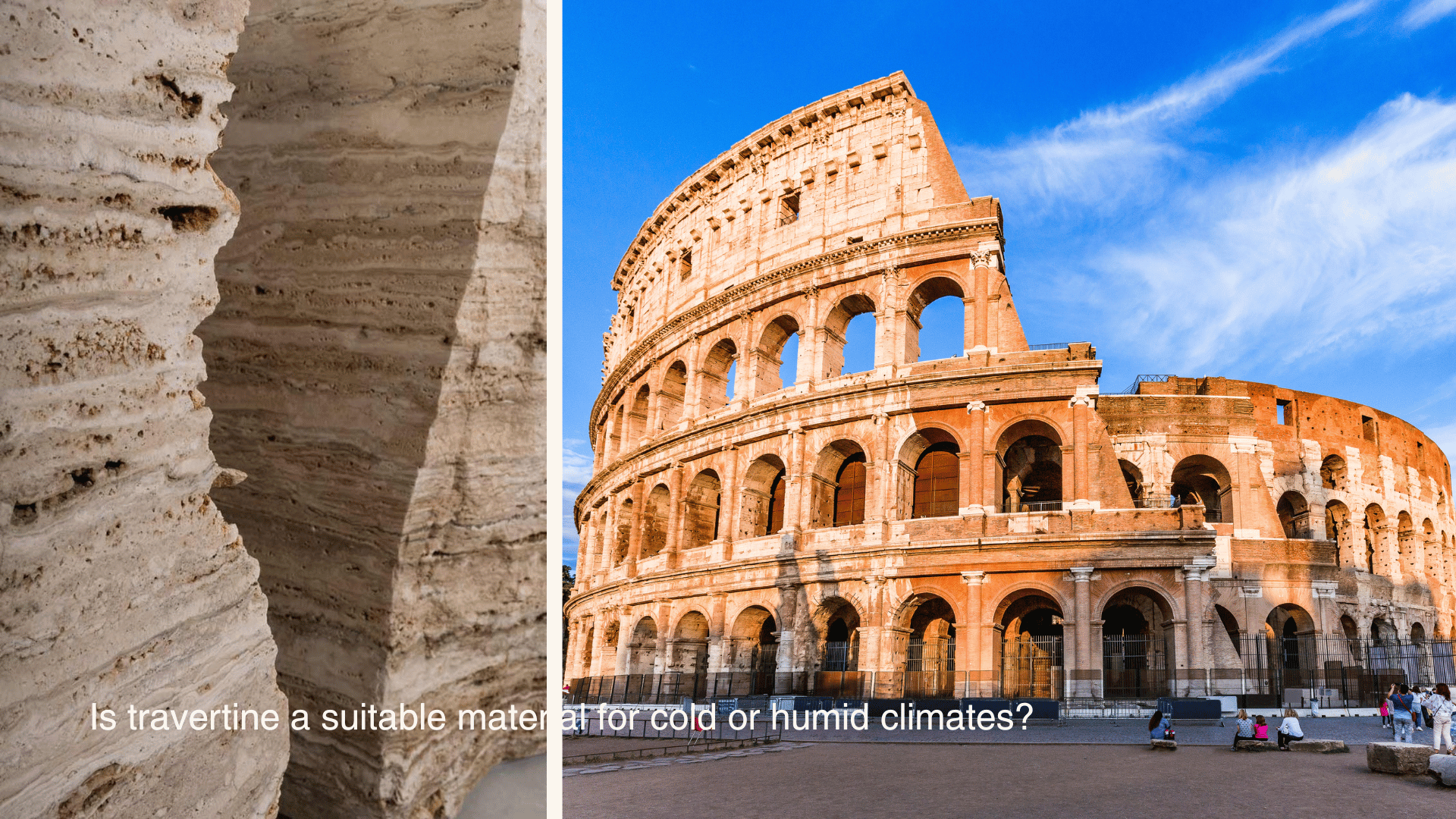
Travertine is a classic natural stone that offers timeless elegance and charm to any space. It is formed by mineral deposits from natural springs and has been used for centuries in various architectural applications.
Understanding Filled Travertine
Explanation of Filled Travertine
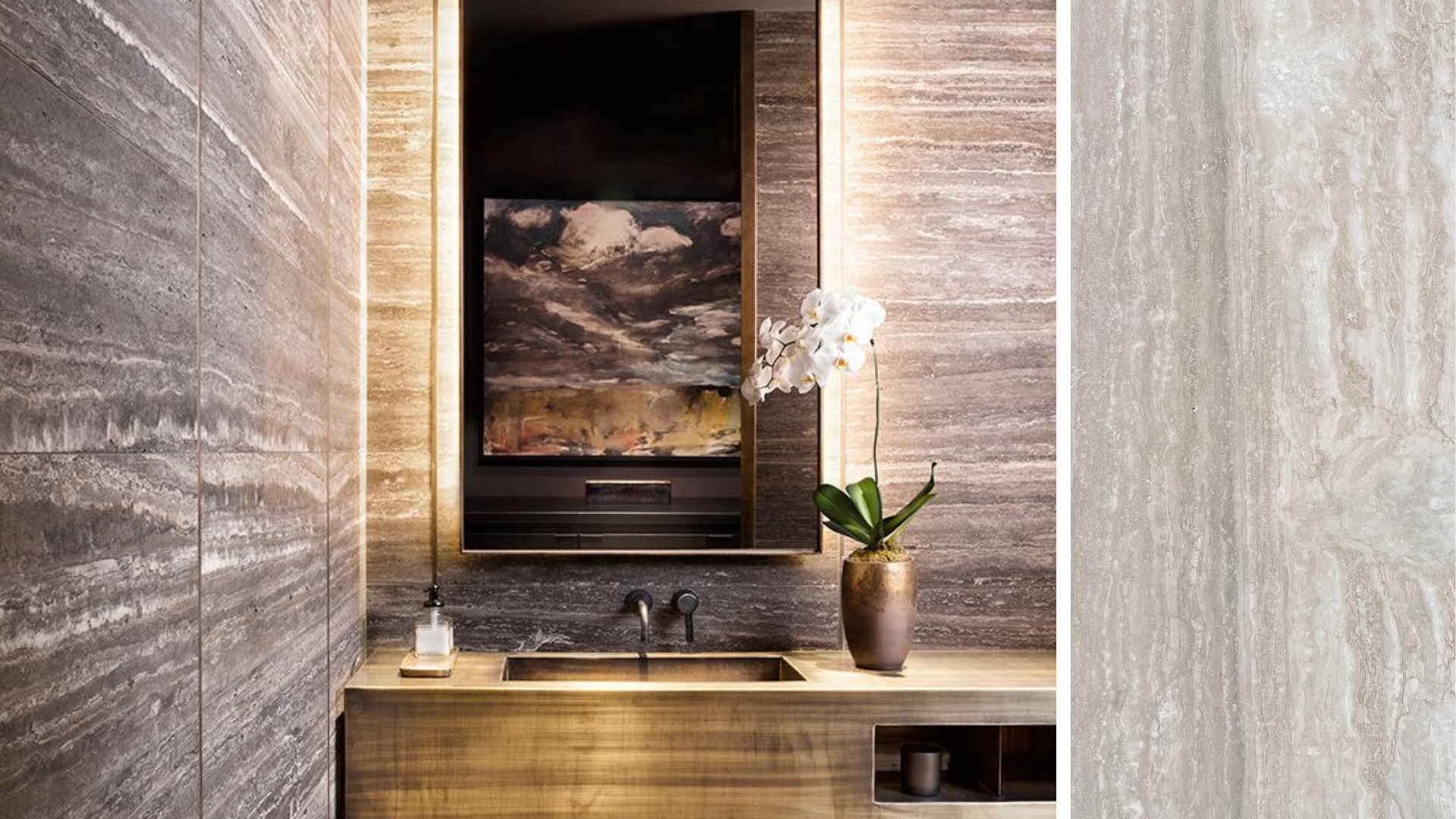
Filled travertine is a type of travertine that has undergone a process where the natural cavities and holes in the stone are filled with a mixture of resin and stone dust. This filling helps create a smoother surface and enhances the durability of the stone.
How Filling Impacts the Appearance of Travertine
The filling in travertine can alter its appearance by providing a more uniform surface and reducing the presence of holes and voids. This process can also affect the color of the stone, making it appear richer and more consistent.
Exploring Unfilled Travertine
Explanation of Unfilled Travertine
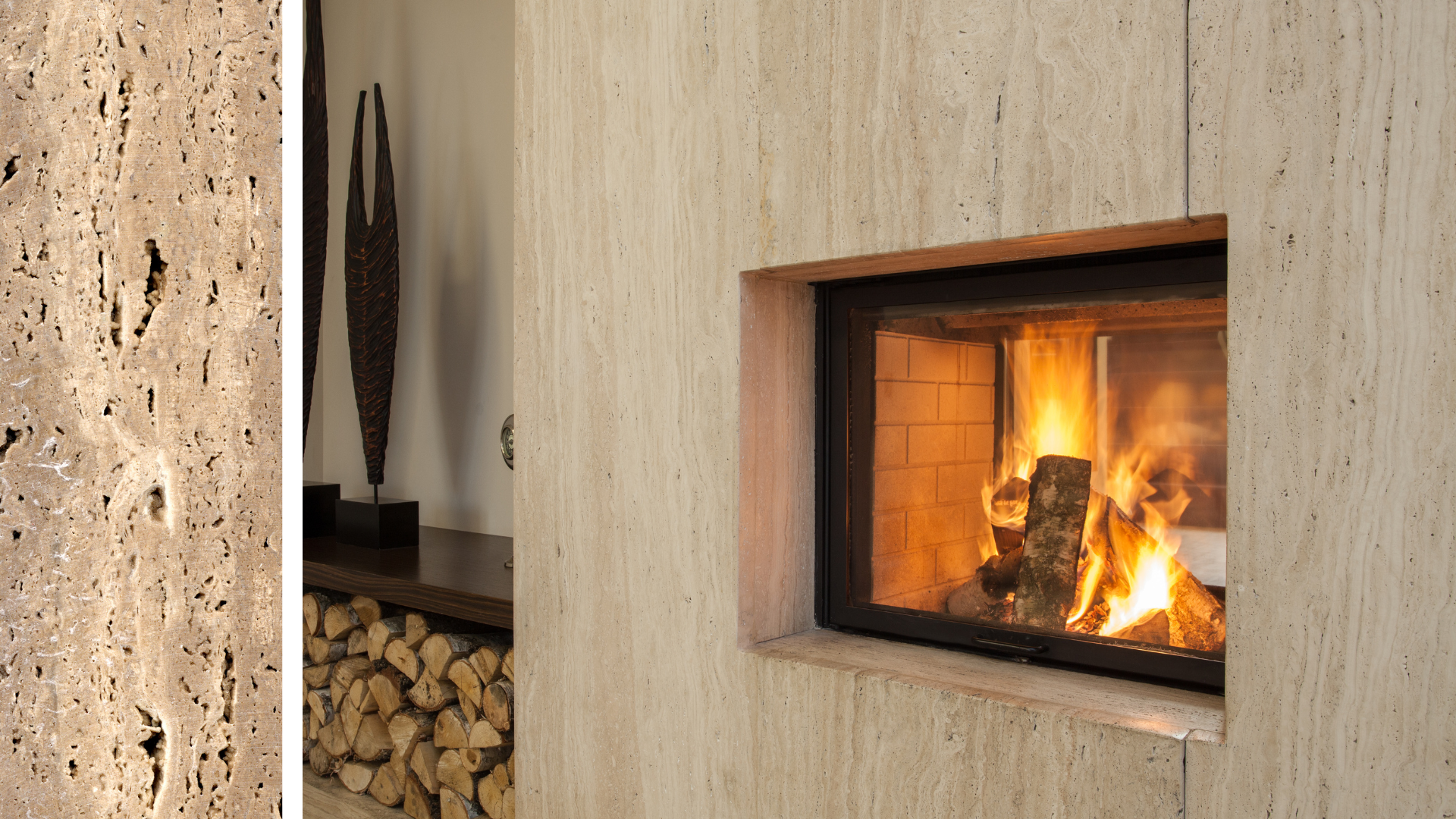
Unfilled travertine, on the other hand, retains its natural state without any filling. This type of travertine showcases the raw beauty of the stone with its unique pits, holes, and variations in texture.
Natural Characteristics of Unfilled Travertine
Unfilled travertine displays a more rustic and authentic look compared to filled travertine. It highlights the natural characteristics of the stone, including its porous nature and distinctive patterns.
Characteristics of Filled vs. Unfilled Travertine
Color and Texture Differences
Filled travertine tends to have a more consistent color and texture due to the filling process, while unfilled travertine showcases more variation and natural imperfections.
Durability and Longevity
Filled travertine is generally more durable and less prone to cracking or chipping compared to unfilled travertine, making it a popular choice for high-traffic areas.
Pros and Cons of Filled and Unfilled Travertine
Advantages of Filled Travertine
Filled travertine offers a smoother surface, enhanced durability, and a more polished look that can complement modern interiors.
Advantages of Unfilled Travertine
Unfilled travertine provides a more natural and authentic appearance, perfect for rustic or traditional design schemes, and allows for a unique and characterful aesthetic.
Drawbacks of Filled Travertine
Filled travertine may lack the organic feel and individuality of unfilled travertine, and the filling material can deteriorate over time, affecting the stone’s appearance.
Drawbacks of Unfilled Travertine
Unfilled travertine requires more maintenance to fill in pits and holes, and its natural pores can absorb stains more easily, making it less suitable for areas prone to spills.
Maintenance and Care Tips for Filled and Unfilled Travertine
Travertine comes in two varieties: filled and unfilled. Filled travertine has been filled with a colored resin to create a smooth surface, while unfilled travertine retains its natural pitted appearance. When it comes to maintenance, both types require regular cleaning and sealing to keep them looking their best.
Cleaning and Sealing Recommendations
To clean filled or unfilled travertine, use a pH-neutral stone cleaner and a soft mop or cloth to avoid scratching the surface. For filled travertine, be careful with acidic substances like lemon juice or vinegar, as they can damage the resin fillers. Sealing your travertine regularly will help prevent staining and make it easier to clean.
Preventing Stains and Damage
Avoid placing hot items directly on travertine surfaces, as they can cause discoloration or cracks. Wipe up spills quickly to prevent them from seeping into the stone. Use coasters under glasses and mats under heavy furniture to protect your travertine from scratches and stains.
Choosing Between Filled and Unfilled Travertine
When deciding between filled and unfilled travertine, there are several factors to consider. Filled travertine provides a smoother surface that is easier to clean, while unfilled travertine showcases the natural beauty of the stone with its unique pits and voids.
Factors to Consider in Decision Making
Think about the location where the travertine will be installed – filled travertine may be more suitable for high-traffic areas like kitchen countertops, while unfilled travertine can add a rustic charm to outdoor spaces. Consider your lifestyle and maintenance preferences when choosing between the two types.
Personal Style and Preference
Ultimately, the choice between filled and unfilled travertine comes down to personal preference and style. Filled travertine offers a more uniform look, while unfilled travertine exudes a more natural and organic feel. Take into account your existing décor and aesthetic preferences when making your decision.
Conclusion and Final Considerations
Whether you opt for filled or unfilled travertine, proper maintenance and care are key to preserving the beauty and longevity of your stone surfaces. Regular cleaning, sealing, and preventative measures will help keep your travertine looking its best for years to come. Consider your lifestyle, location, and personal style when choosing between filled and unfilled travertine to ensure that you make the right decision for your space. In conclusion, the choice between filled and unfilled travertine ultimately depends on your specific preferences, aesthetic goals, and practical considerations. Whether you opt for the enhanced consistency of filled travertine or the raw beauty of unfilled travertine, both varieties offer unique characteristics that can elevate the look and feel of your space. By weighing the pros and cons outlined in this article and considering your maintenance preferences, you can confidently select the type of travertine that best suits your design vision and lifestyle.